STCW Training Courses
STCW Training Courses Are
The Standards of Training, Certification, and Watchkeeping for Seafarers (STCW) is an international convention established by the International Maritime Organization (IMO) in 1978 to standardize global seafarers’ training, certification, and watchkeeping practices. It provides a comprehensive framework to ensure seafarers are adequately trained and competent to perform their duties safely and efficiently, enhancing maritime safety, environmental protection, and operational reliability. The STCW convention sets mandatory minimum requirements for various roles on board ships, including basic safety training, advanced emergency response, leadership, and technical skills. It has been amended over time, with the 2010 Manila Amendments introducing key updates such as rest hour regulations, medical fitness standards, and modernized training methodologies. By establishing uniform standards, the STCW convention ensures global compliance, facilitates the mobility of seafarers across international waters, and promotes professionalism in the maritime industry.
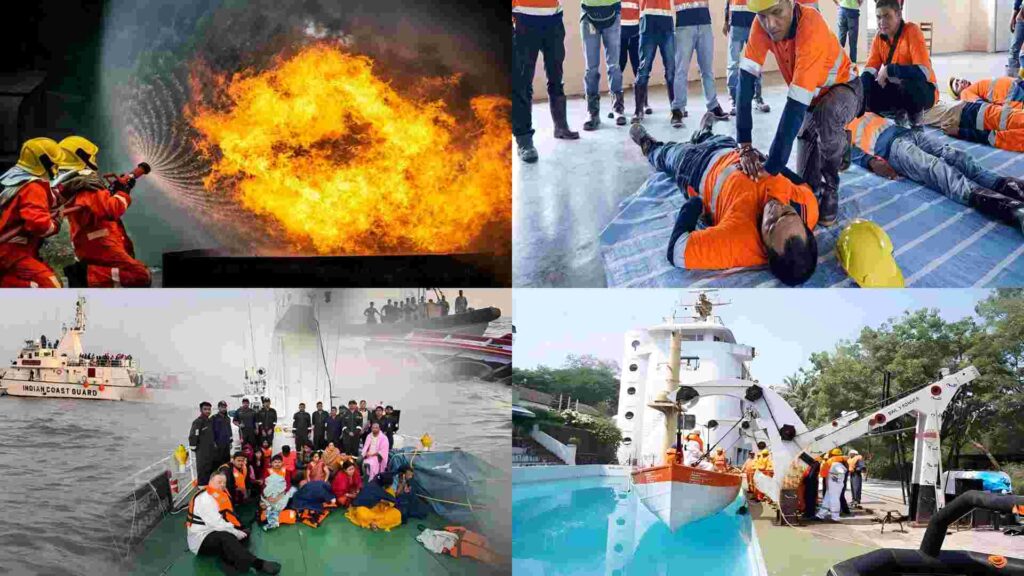
- Elementary First Aid Training Course (EFA) – 2 Days
- Fire Prevention and Fire Fighting Training Course (FPFF) – 2 Days
- Personal Survival Techniques Training Course (PST) – 3 Days
- Personal Safety and Social Responsibilities Training Course (PSSR) – 3 Days
- Security Training for Seafarer with Designated Security Duties Course (STSDSD) – 2Days
- Medical First Aid Training Course (MFA) – 5 Days
- Advanced Fire Fighting Training Course (AFF) – 4 Days
- Proficiency in Survival Craft and Rescue Boats Training Course (PSCRB) – 4 Days
- Ship Security Officer Course (SSO) – 3 Days
The convention also emphasizes the importance of leadership and resource management, equipping officers with the skills to make effective decisions during emergencies and complex operations. By instilling these competencies, the STCW framework enhances safety and fosters a culture of collaboration and resilience on-board. Additionally, the STCW Convention contributes to the sustainability goals of the maritime industry. Modules on pollution prevention and compliance with international regulations such as MARPOL ensure seafarers are well-versed in practices that minimize environmental impact. Overall, the STCW Convention is a dynamic and evolving framework that is the backbone of maritime education and training. It addresses modern seafarers’ diverse challenges while maintaining its core mission of ensuring safety, efficiency, and environmental stewardship in the global shipping industry.