Security Training for Seafarers with Designated Security Duties (STSDSD)
STCW Training Courses Are
The Security Training for Seafarers with Designated Security Duties (STSDSD) is a highly specialized training program that prepares maritime professionals to meet the challenges of modern maritime security threats. This training, required under the International Convention on Standards of Training, Certification, and Watchkeeping for Seafarers (STCW) and the International Ship and Port Facility Security (ISPS) Code, is essential for crew members assigned specific security responsibilities. With threats like piracy, terrorism, stowaways, and smuggling posing serious risks to global shipping, this course equips seafarers to detect, deter, and respond effectively to these dangers.
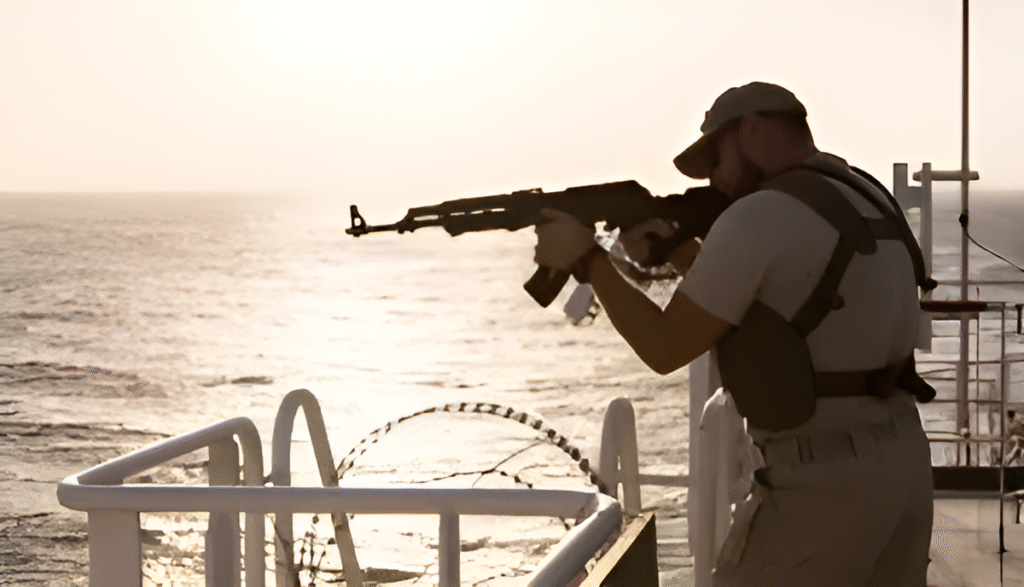
The Security Training for Seafarers with Designated Security Duties a proactive security culture on-board and ensures compliance with international regulations while protecting the vessel, its cargo, and personnel. Security is a cornerstone of maritime safety and operational efficiency. The STSDSD course was developed to address the increasing complexity of security threats faced by the global maritime industry. Seafarers play a pivotal role in maintaining shipboard security, as they are often the first line of defense against unlawful activities. However, responding to security threats requires more than intuition—it demands specialized knowledge, structured protocols, and practical training.
Vision of the Course:
- Develop Security Awareness
- Ensure Regulatory Compliance
- Improve Threat Response
- Foster Coordination
- Promote Best Practices
Scope of the Course:
- Understanding Security Roles
- Building Confidence
- Enhancing Situational Awareness
- Promoting Seamless Compliance
- Ensuring Operational Continuity
The Need of STSDSD Training of Maritime Operations:
- Regulatory Obligations
- Rising Maritime Security Threats
- Protection of Lives and Assets
- Preserving Operational Efficiency
- Supporting Global Trade and Stability
Course Content
A. Theoretical Component
- Understanding Maritime Security Frameworks
- Threat Recognition and Risk Assessment
- Security Levels and Their Implications
- Security Equipment and Procedures
- Emergency Response Planning
B. Practical Component
- Access Control and Monitoring
- Search and Screening Techniques
- Handling Security Incidents
- Implementing the Ship Security Plan